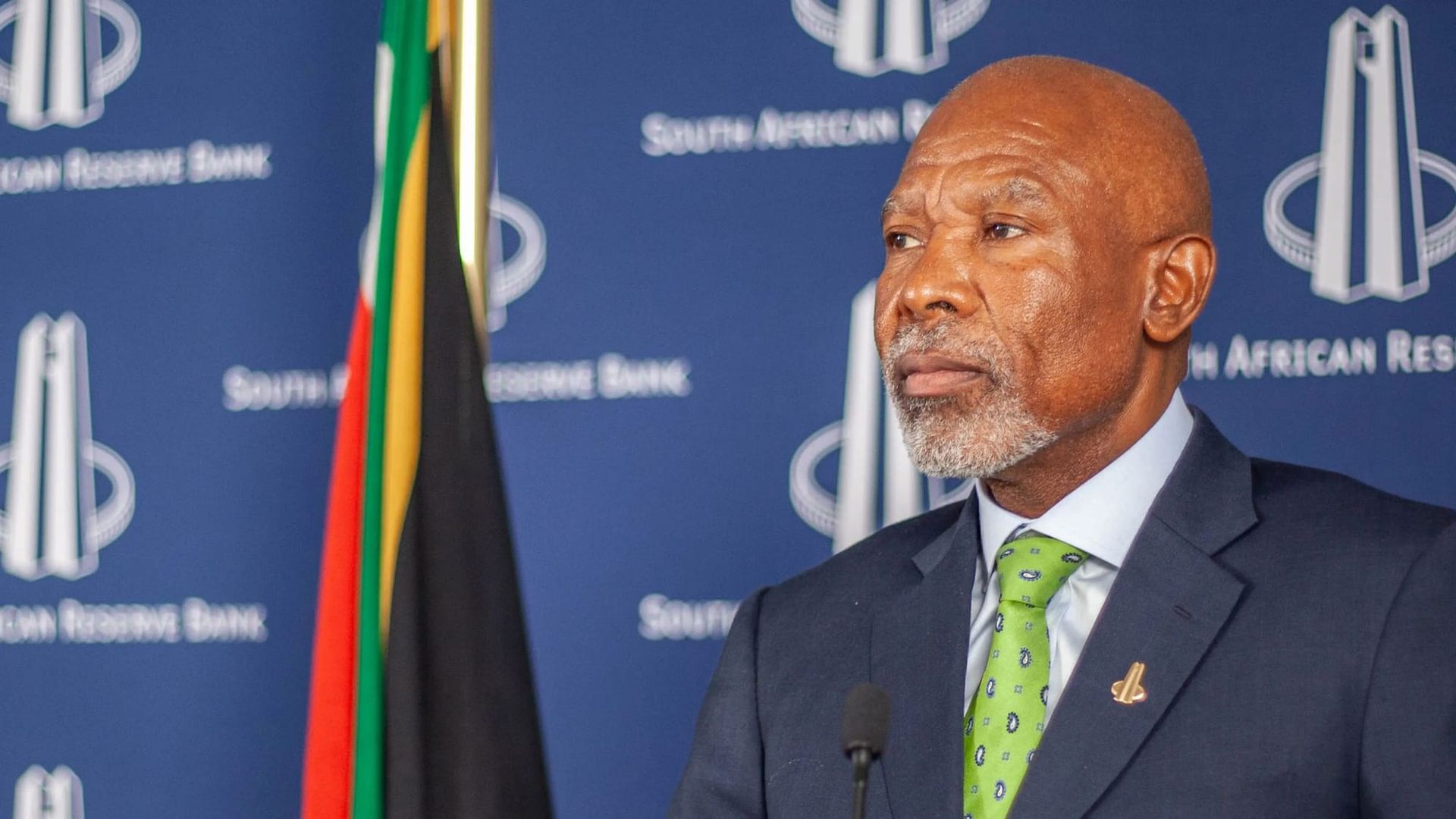

The governor of the South African Reserve Bank, Lesetja Kganyago, has warned that cryptocurrency groups lobbying to influence elections and government decisions in the United States set a dangerous precedent.
He also dismissed calls for governments to hold strategic reserves in bitcoin, saying cryptocurrencies are no different from other commodities as reserve assets.
The details
- Kganyago, speaking during a panel session at the World Economic Forum in Switzerland, said that crypto lobbyists trying to influence financial regulations can lead to “regulatory capture.”
- Per a Reuters report, large crypto companies spent more than $119 million to support pro-crypto congressional candidates in the US.
- These companies, including Coinbase and Ripple, played the long game, hoping that the move would pave way for the easy passing of crypto-friendly legislation.
- Kganyago expressed displeasure at this, adding that governmental policies and regulations influenced by money in such a manner spell problems.
- He watered down claims for governments to hold bitcoin reserves, saying that the digital asset has no advantage over any other commodity such as beef, apples and mutton.
- In addition, Kganyago said that these bitcoin reserve calls are nothing more than the result of crypto lobbying groups trying to influence government decisions.
What was said
- Kganyago, commenting on the activities of lobbyist groups to influence decisions, said:
“If regulation is going to be established through the power of money, then we have a problem.”
- On bitcoin reserve calls, he said:
“I would have a significant problem with a lobby that says governments should hold this asset or hold that asset. There is a history to gold. There was once a gold standard... If we now say ok, bitcoins. What about platinum? What about coal? Why don't we hold strategic beef reserves, mutton reserves, or apple reserves? Why Bitcoin?”
Zoom out
- South Africa currently holds the most advanced crypto legislations on the continent.
- In 2022, the country recognized cryptocurrencies as financial assets and exchanges as financial service providers, effectively legalizing the asset class.
- It has since issued licenses to more than 240 crypto firms operating in the country.
- Kganyago’s remarks highlight that while African nations are gradually embracing crypto through recently enacted legislation, their approach remains more cautious compared to the enthusiasm seen in Western countries.
- African regulations often mirror Western approaches, but whether pro-crypto legislation in the West will inspire similar shifts across the continent remains uncertain.