Energy & climate
Zimbabwe launches blockchain-based carbon credits trading registry

The country wants to establish trust by making all transactions immutable and transparent.

May 12, 2025
The country wants to establish trust by making all transactions immutable and transparent.

This follows a two-year delay despite a successful pilot program.
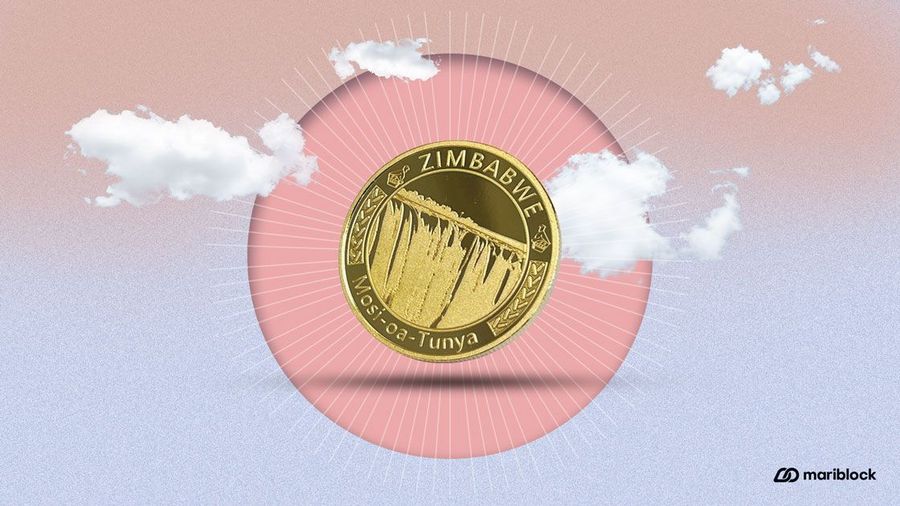
However, there are concerns about its stability, given the price of gold and fluctuations, regulatory challenges, trust, and cybersecurity.
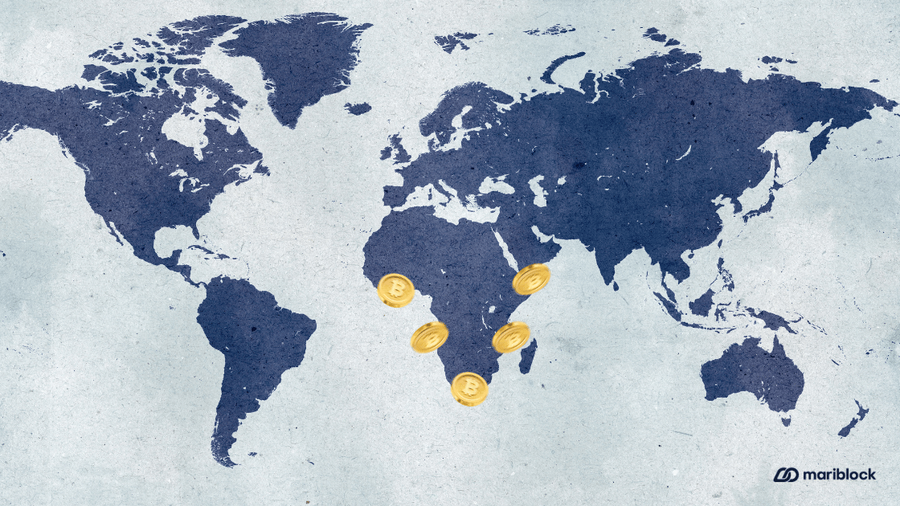
Overall, Sub-Saharan Africa received $117.1 billion in crypto value between July 2022 and June 2023, according to data from blockchain analytics firm Chainalysis.

The bank hopes to use the CBDC to tackle hyperinflation in the country and provide an alternate store of value for Zimbabweans.
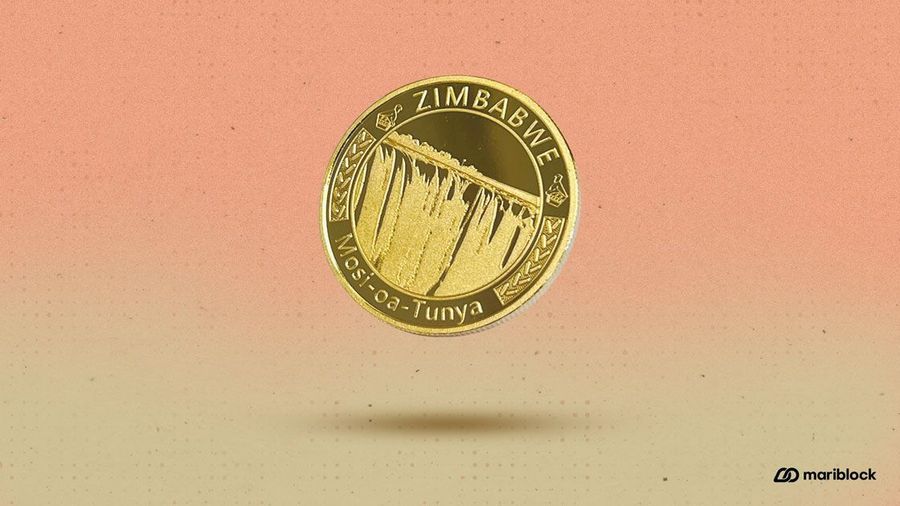
Zimbabwe's government has been urged to pay civil servants with gold-backed CBDC and coins amid plunging economy.
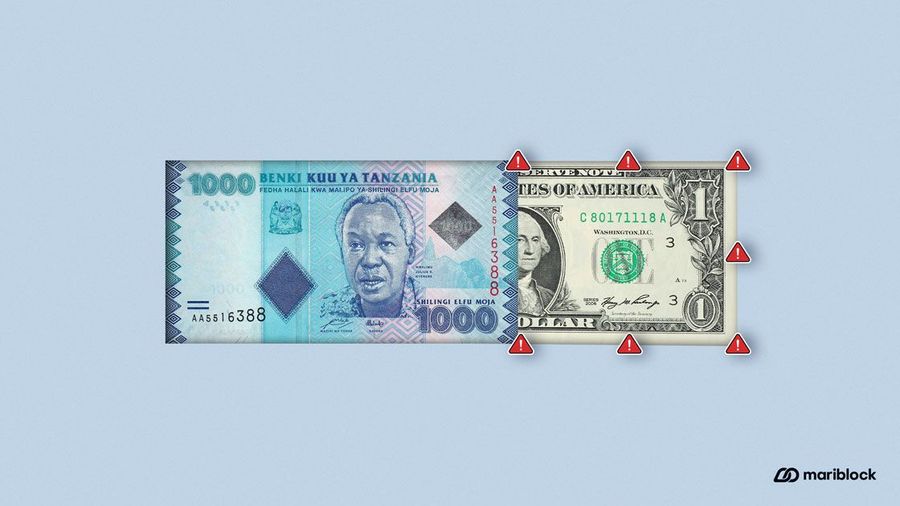
The government banned the use of USD in August 2007 and again in December 2017.
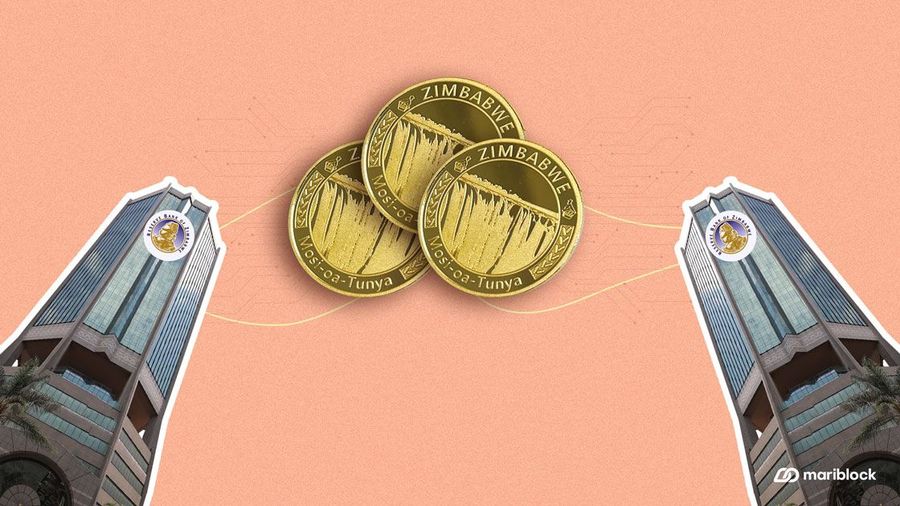
The move is aimed at reducing the demand for US dollars and providing an alternative currency and store of value.

The suspect allegedly duped an eye specialist of $457,000 worth of cryptocurrency between October 2021 and March this year.